




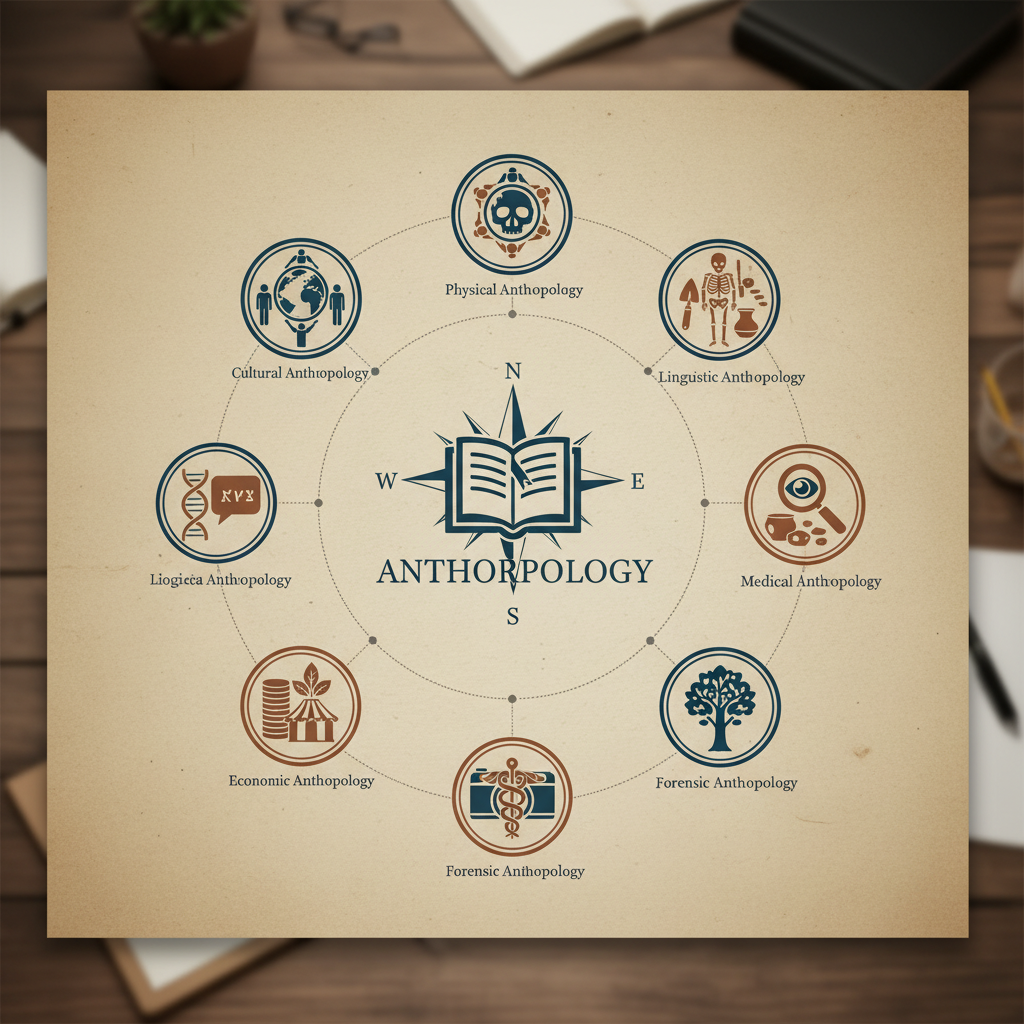
Forensic anthropologists around the world are facing unprecedented caseloads as conflicts, migration tragedies, climate disasters, and cold-case re-investigations push the science of identifying human remains to the forefront of humanitarian and criminal investigations. From the U.S.-Mexico border to mass graves in Ukraine and unmarked burial sites at former Indigenous boarding schools, specialists trained to read bones for clues about age, ancestry, trauma, and identity have become indispensable — and increasingly stretched thin.
A Discipline Under Pressure
Forensic anthropology sits at the intersection of biological anthropology and medico-legal investigation. Practitioners apply skeletal analysis to determine the biological profile of unidentified individuals, estimate time since death, and document trauma that may indicate cause and manner of death. Their findings often anchor criminal prosecutions, repatriation efforts, and humanitarian identifications.
According to the American Academy of Forensic Sciences, the demand for credentialed forensic anthropologists has grown sharply in the past decade, particularly as agencies confront backlogs of unidentified human remains. In the United States alone, the National Missing and Unidentified Persons System (NamUs) lists tens of thousands of open cases, and forensic anthropologists are central to the slow work of giving names back to the dead.
Border Deaths and Migrant Identification
One of the most pressing arenas of contemporary forensic anthropology is migrant identification along the U.S.-Mexico border. Teams such as the Forensic Border Coalition and the Operation Identification project at Texas State University have spent years exhuming, analyzing, and attempting to repatriate the remains of migrants who died crossing the Sonoran and South Texas deserts. Researchers note that extreme heat, scavenging, and rapid skeletonization make traditional identification methods difficult, prompting the integration of isotope analysis, advanced DNA extraction, and 3D craniometric tools.
Heat-driven mortality has worsened in recent years. Reporting by outlets including Reuters has documented record-breaking summer temperatures along the southern border, with humanitarian groups warning that more migrants are dying in remote terrain where remains may not be discovered for months or years. Forensic anthropologists are often the last line of investigation between an anonymous burial and a family receiving closure.
Conflict Zones and Mass Graves
The discipline has also taken on a heightened role in documenting war crimes. In Ukraine, forensic teams supported by international experts have continued exhumations at sites linked to the ongoing conflict, building evidentiary records for potential prosecutions at the International Criminal Court. Similar work has expanded in Gaza, Sudan, and other conflict zones, often in partnership with organizations like the International Committee of the Red Cross, which maintains a global forensic unit dedicated to humanitarian identification.
Specialists emphasize that mass-grave investigations require not just technical rigor but cultural sensitivity. Engagement with surviving families, religious authorities, and local communities is essential to ensure remains are handled in ways consistent with mourning practices and legal frameworks.
New Tools Reshaping the Field
Technological change is rapidly reshaping how forensic anthropologists work. Forensic-grade genetic genealogy — the same approach that helped identify the Golden State Killer — is now routinely applied to skeletal remains decades old. High-resolution CT scanning allows non-destructive analysis of fragile bones, while machine-learning models trained on global skeletal collections are being tested to refine ancestry and sex estimations beyond traditional categories.
Researchers have also pushed the field to confront its own history. Several university skeletal collections have come under scrutiny for containing remains acquired without consent, and institutions are revisiting curation practices in light of laws such as the Native American Graves Protection and Repatriation Act. The American Association of Biological Anthropologists has urged a more ethically grounded approach to teaching and research, signaling a generational shift in professional norms.
What to Watch Next
Looking ahead, forensic anthropologists expect continued growth in casework tied to climate-driven disasters, displacement, and unresolved historical injustices. Expanded DNA databases, AI-assisted skeletal analysis, and broader international cooperation are likely to accelerate identifications — but ethical questions around data sharing, ancestry estimation, and the treatment of remains will remain central debates. As the field evolves, its dual mission is becoming clearer: serving justice while restoring identity and dignity to the dead.
For more reporting on the science behind human identification, archaeology, and the broader anthropological sciences, visit science.wide-ranging.com for related articles and ongoing coverage.