




As wildfires, floods, and hurricanes grow more destructive, forensic anthropologists are increasingly being called to the front lines of disaster victim identification. In 2025, teams trained in skeletal analysis and DNA-assisted recovery have played central roles in identifying remains from the Los Angeles-area wildfires and other mass-casualty events, underscoring how a once-niche specialty is becoming essential infrastructure for public safety agencies confronting climate-driven catastrophes.
The January 2025 Palisades and Eaton fires in Los Angeles County destroyed thousands of structures and killed at least 29 people, with several remains so severely burned that conventional identification methods were impossible. The Los Angeles County Department of Medical Examiner brought in forensic anthropologists to work alongside coroners, using bone fragment analysis, dental records, and isotopic testing to return identities — and remains — to grieving families. Their work mirrors recovery operations that have followed similar disasters, including the 2023 Maui wildfires, where a multidisciplinary forensic response was credited with accelerating identifications under harrowing conditions.
What Forensic Anthropologists Actually Do
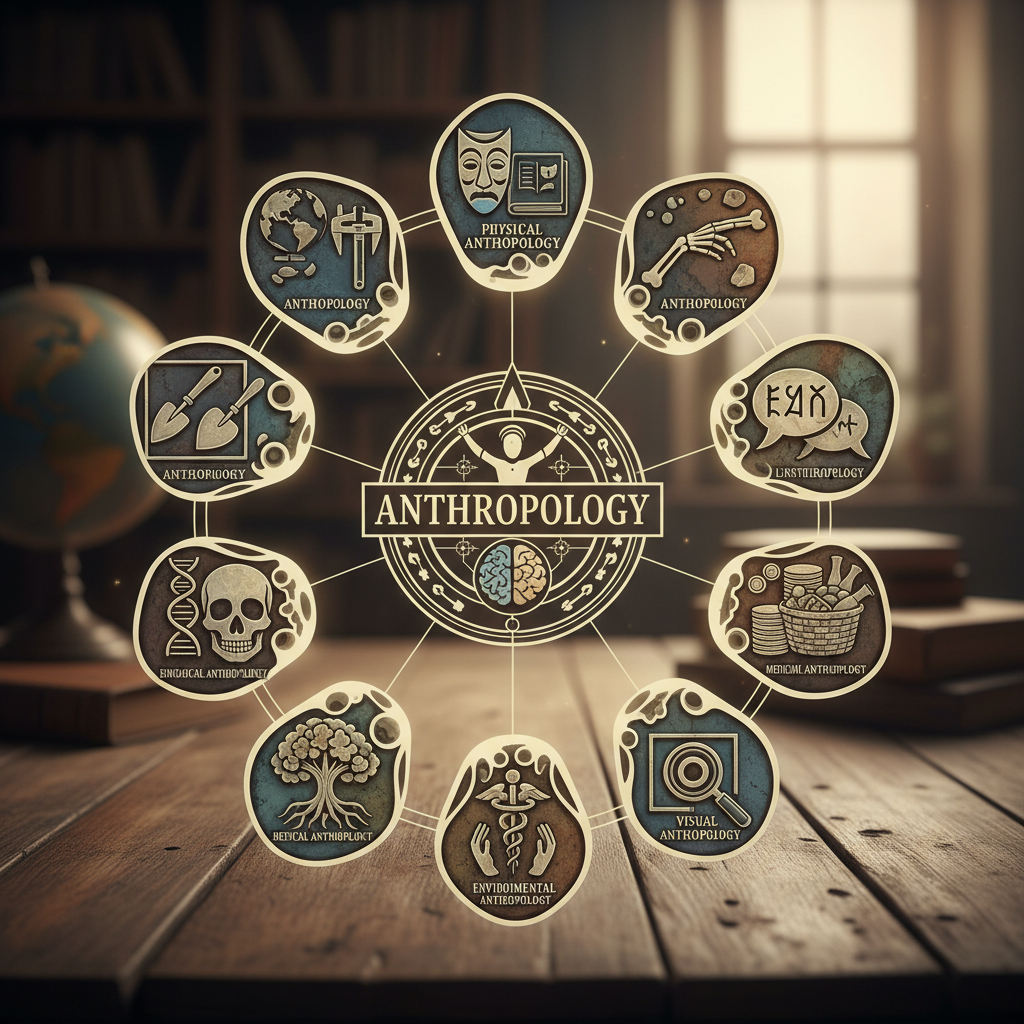
Forensic anthropology sits at the intersection of biological anthropology and criminal or humanitarian investigation. Practitioners analyze skeletal remains to estimate age, sex, ancestry, stature, and trauma — information that helps medical examiners narrow the pool of possible identities and reconstruct the circumstances of death. Unlike fictional portrayals on television, the real work is painstaking and often slow, involving microscopy, radiography, comparative anatomy, and increasingly, advanced DNA extraction from compromised tissue.
The discipline traces its roots to the late 19th century but became formalized in the United States after World War II, when anthropologists were recruited to identify war dead. Today, the American Board of Forensic Anthropology certifies practitioners, and only a few dozen board-certified specialists work full time in the U.S. — a tiny workforce relative to the demands now placed on it.
Why This Story Matters
Climate scientists have repeatedly warned that disasters once considered rare are becoming routine. The National Oceanic and Atmospheric Administration recorded 27 separate billion-dollar weather and climate disasters in the United States in 2024, the second-highest annual total ever logged. Each event creates not only property losses but profound humanitarian challenges — including the recovery and identification of victims whose remains may be fragmented, burned, or commingled.
Forensic anthropologists also play growing roles in identifying migrants who die crossing borders. Along the U.S.-Mexico border, organizations such as Colibrí Center for Human Rights partner with anthropologists to match unidentified remains found in the Sonoran Desert with missing-persons reports filed by families. The work is grueling and emotionally taxing, but advocates argue it is one of the few mechanisms returning loved ones to families who might otherwise spend lifetimes in uncertainty.
New Tools, Persistent Challenges
Recent advances are reshaping the field. Portable 3D scanners now allow scientists to digitize skeletal evidence at recovery sites, preserving data even when remains must be quickly removed. Stable isotope analysis can suggest where a person lived during different stages of life by reading chemical signatures locked in bone and teeth. And rapid-DNA platforms — capable of producing usable profiles in under two hours — have begun appearing in mobile disaster response units.
Still, researchers caution that technology has limits. Heavily burned bone, for instance, often yields little usable DNA, leaving anthropological assessment as the primary identification tool. Funding for the field also remains thin; many universities have phased out forensic anthropology programs, and practitioners warn of looming workforce shortages just as demand surges.
What to Watch Next
Federal agencies are reportedly weighing expanded grant programs to train new forensic anthropologists and standardize disaster victim identification protocols nationwide. Meanwhile, professional societies are pressing for clearer integration of forensic anthropology into FEMA’s mass-fatality response framework. As 2025 unfolds, expect to see continued conversations about how the United States — and the world — will scale this small but vital field to meet the demands of a more volatile century.
For more stories on the science shaping our world, visit science.wide-ranging.com and explore related coverage of forensic science, anthropology, and climate adaptation.