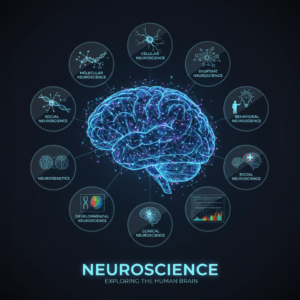








A growing body of neuropsychological research is reshaping how scientists understand the brain’s ability to forget — and what that means for people living with post-traumatic stress disorder (PTSD). Studies published in late 2024 and 2025 indicate that active “forgetting circuits” in the brain may be just as critical to mental health as the systems that form memories, opening new possibilities for therapies aimed at trauma, anxiety, and intrusive recollection.
The Science of Active Forgetting
For decades, forgetting was treated as a failure of memory — a passive decay of information over time. But contemporary neuropsychology paints a strikingly different picture. Researchers now describe forgetting as an active, energy-consuming process orchestrated by specific neural circuits, particularly in the hippocampus and prefrontal cortex. According to ongoing work documented by the National Institutes of Health, the brain regularly prunes synaptic connections to maintain cognitive flexibility and emotional balance.
This shift in thinking has profound clinical implications. If forgetting is something the brain does rather than something that simply happens, then disorders characterized by unwanted memories — including PTSD, obsessive-compulsive disorder, and chronic grief — may be reframed as failures of the forgetting machinery itself.
What the New Research Shows
Recent investigations have focused on a class of neurons in the hippocampus that appear to weaken or “tag” memories for elimination. Scientists at several institutions, including teams whose work has been highlighted by the American Psychological Association, have found that disrupting these circuits in animal models prevents normal extinction of fear memories — closely mimicking PTSD-like behavior.
Even more compelling, neuroimaging studies in humans show reduced activity in these forgetting-related networks among trauma survivors who experience persistent flashbacks. In a recent study summarized by Nature, participants with PTSD displayed weaker prefrontal-hippocampal coupling during tasks designed to suppress unwanted memories — a neural signature that correlated with symptom severity.
Why This Matters for Treatment
Current PTSD treatments such as prolonged exposure therapy and eye movement desensitization and reprocessing (EMDR) work, in part, by helping patients reprocess traumatic memories so they lose emotional intensity. But up to a third of patients see only modest improvements. By targeting the brain’s active forgetting systems directly — through pharmacology, neuromodulation, or precision-guided behavioral therapy — clinicians may be able to enhance the brain’s natural ability to let go.
Dr. Michael Anderson of the University of Cambridge, a leading figure in memory suppression research, has long argued that voluntary forgetting is a learnable cognitive skill. His laboratory has shown that healthy individuals can deliberately weaken specific memories by recruiting prefrontal control over the hippocampus, a finding that has informed cognitive-behavioral interventions worldwide.
Beyond PTSD: Implications for Aging and Mental Health
The implications extend well beyond trauma. Researchers are exploring whether weakened forgetting circuits play a role in rumination, depression, and even early Alzheimer’s disease, where the brain becomes cluttered with degraded memory traces. Conversely, overly aggressive forgetting may contribute to dissociative disorders and identity disturbances.
This dual-edged nature of forgetting has prompted ethical conversations within the scientific community. If memory erasure becomes pharmacologically feasible — through compounds that modulate proteins like Rac1, which is involved in synaptic pruning — society will face difficult questions about consent, identity, and the value of painful memories. Bioethicists have urged caution, noting that memory shapes selfhood in ways that simple symptom relief cannot account for.
What to Watch Next
Clinical trials examining drugs that enhance memory extinction are already underway, and several startups are developing closed-loop neurostimulation devices designed to strengthen forgetting circuits in real time. Within the next few years, expect to see the first rigorous tests of “forgetting-enhancing” therapies in PTSD populations. If they succeed, they could mark one of the most significant shifts in psychiatric treatment in a generation — turning what was once dismissed as the brain’s flaw into one of its most therapeutic features.
For more stories exploring the frontiers of neuroscience, psychology, and human behavior, visit science.wide-ranging.com for related articles and in-depth analysis.