







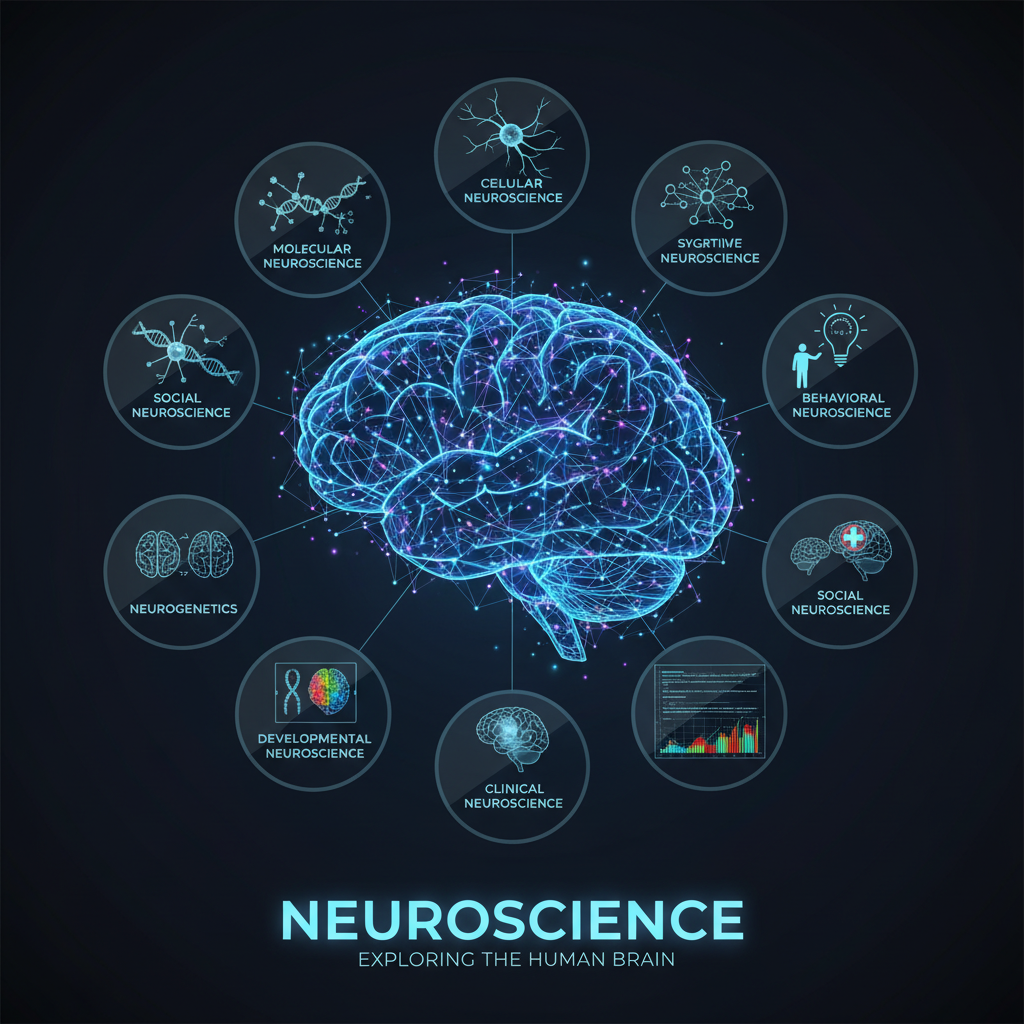
A growing body of neuroimaging research is reshaping our understanding of how the sleep-deprived brain handles emotional information, with researchers reporting that even a single night of poor sleep can significantly alter activity in regions tied to memory consolidation and emotional regulation. The findings, drawn from functional MRI scans of healthy adults, suggest that the amygdala-hippocampus circuit — long considered central to how humans encode and retrieve emotionally charged memories — becomes destabilized when the brain is denied adequate rest, with potential consequences for mental health, learning, and decision-making.
The research, which builds on years of work in cognitive and clinical neuroscience, follows participants through controlled sleep-deprivation protocols while measuring neural responses to emotional stimuli. Scientists found that sleep-deprived brains showed exaggerated reactivity in the amygdala — the region associated with threat detection and fear processing — alongside weakened connectivity to the prefrontal cortex, which normally helps regulate emotional impulses. The result is a brain that is simultaneously more reactive and less able to contextualize what it is reacting to.
Why the Amygdala-Prefrontal Disconnect Matters
Sleep has long been understood as essential for memory consolidation, but neuroimaging is now allowing researchers to map exactly how that process unfolds — and how it breaks down. According to work published by the National Institutes of Health, REM sleep in particular plays a critical role in processing emotional experiences, effectively “tagging” memories with appropriate emotional weight before storing them. When that process is interrupted, memories may be encoded with disproportionate emotional intensity, contributing to anxiety, intrusive thoughts, and even symptoms resembling post-traumatic stress.
Dr. Matthew Walker, a neuroscientist at the University of California, Berkeley, has previously described sleep as “emotional first aid” for the brain. His laboratory’s earlier studies, summarized in coverage from Nature, demonstrated that without sufficient REM sleep, the brain fails to strip the emotional charge from difficult memories, leaving people to relive experiences with the same intensity as when they first occurred. The current wave of imaging studies extends those findings by pinpointing the specific neural signatures of that failure.
Implications for Mental Health Treatment
The clinical implications are substantial. Mood disorders, anxiety conditions, and PTSD are all marked by disrupted sleep architecture, and the new neuroimaging data suggest this is not merely a symptom but potentially a driver of pathology. If the amygdala-prefrontal circuit cannot reset overnight, emotional dysregulation compounds across days and weeks. Treatment approaches that prioritize sleep quality — including cognitive behavioral therapy for insomnia (CBT-I), targeted pharmacological interventions, and emerging neurofeedback protocols — may therefore have effects that extend well beyond simple restfulness.
Researchers at institutions including the National Institute of Mental Health have begun integrating sleep metrics into clinical trials for depression and anxiety, recognizing that interventions that fail to address sleep may be missing a critical mechanism of action. Wearable devices and at-home EEG systems are also making it possible to track sleep architecture in real-world settings, providing data that complement laboratory neuroimaging.
Broader Questions in Cognitive Neuroscience
Beyond clinical relevance, the findings raise deeper questions about the relationship between sleep, memory, and identity. If our memories are emotionally re-shaped each night, then chronic sleep loss could alter not only how we feel about past events but how we understand ourselves over time. Researchers are now investigating whether long-term sleep disruption — common among shift workers, new parents, and people with chronic insomnia — leaves lasting structural changes in brain regions associated with emotional memory.
What to Watch Next
Future studies are expected to combine high-resolution neuroimaging with genetic and behavioral data to identify who is most vulnerable to sleep-related emotional dysregulation. Advances in 7-Tesla MRI and machine-learning analysis of brain connectivity patterns should also allow scientists to detect subtle disruptions earlier, potentially before clinical symptoms emerge. As the line between sleep science and neuroscience continues to blur, expect sleep to be recognized increasingly not as a passive state but as one of the brain’s most active and consequential processes.
For more in-depth coverage of breakthroughs in neuroscience, brain imaging, and the science of sleep, visit and explore related reporting at science.wide-ranging.com.