





As humanity prepares for a sustained return to the Moon and crewed missions to Mars, scientists are racing to understand how microorganisms behave in space. Recent research published in 2024 and into 2025 has highlighted unexpected resilience among bacteria and fungi exposed to extreme cosmic conditions, raising both opportunities for biotechnology and concerns about planetary protection. The findings, drawn from experiments aboard the International Space Station (ISS) and in simulated extraterrestrial environments, are reshaping how researchers think about life’s potential to spread — and survive — beyond Earth.
What the Latest Research Shows
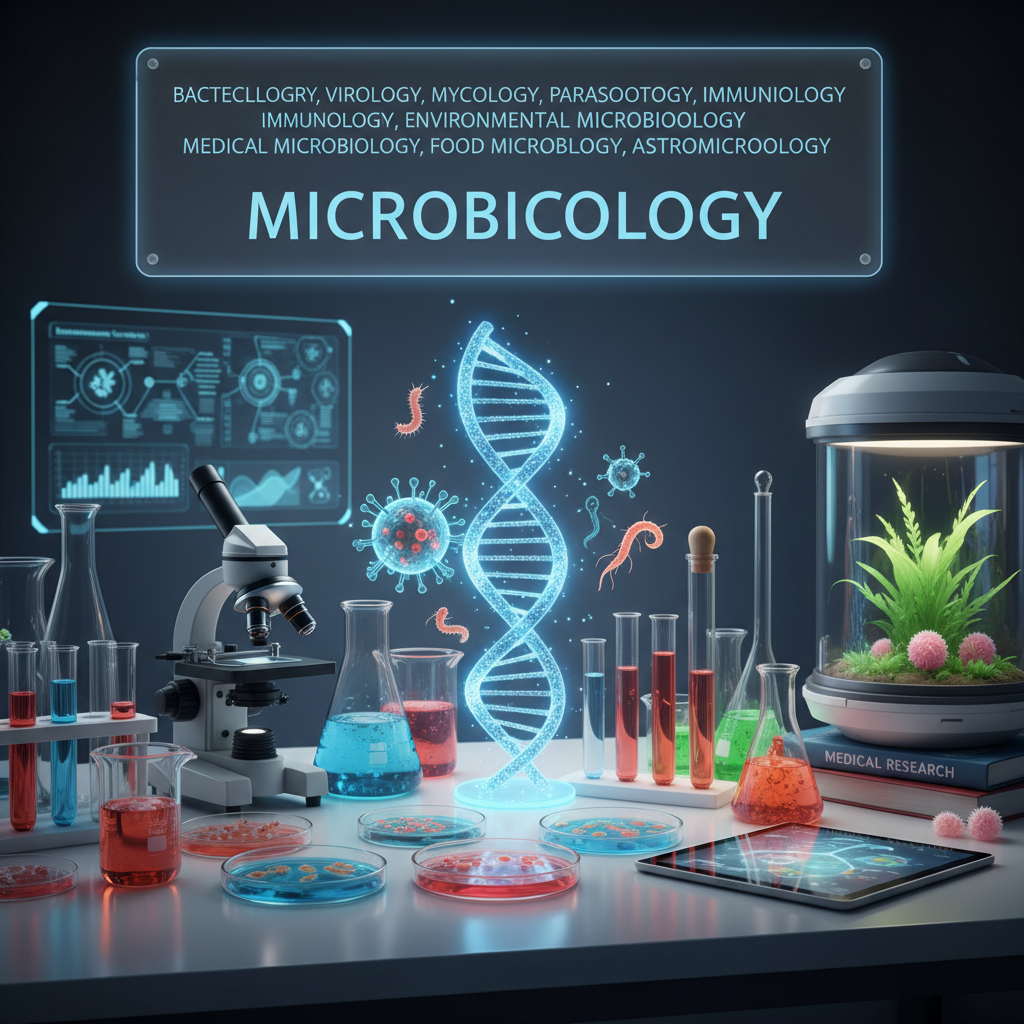
Astromicrobiology, a young but rapidly expanding subfield of microbiology, examines how microorganisms respond to space-related stressors: microgravity, ionising radiation, vacuum, and extreme temperatures. A series of recent studies have shown that certain microbes do not just endure these conditions — they adapt. In one notable case, scientists analysing bacterial strains aboard the ISS reported that Enterobacter bugandensis, a multi-drug-resistant species first isolated on the station, has continued to mutate in ways that distinguish it genetically from its Earth-bound counterparts. The work, led by researchers at NASA and IIT Madras, suggests that the closed environment of a spacecraft can drive accelerated microbial evolution.
Equally striking is the discovery that fungal species such as Aspergillus niger can survive prolonged exposure to space radiation. Experiments conducted as part of the European Space Agency’s exposure platforms have demonstrated that fungal spores possess pigments and DNA-repair mechanisms capable of withstanding radiation doses that would be lethal to most life on Earth. More information on these ongoing experiments is available through the European Space Agency‘s science programme pages.
Why It Matters
The implications of these findings stretch across multiple disciplines. From a planetary protection standpoint, the persistence of hardy microbes raises the risk of forward contamination — the inadvertent introduction of Earth life to other planetary bodies. This is a particular concern for Mars missions, where biosignature detection could be compromised by stowaway terrestrial organisms. The Committee on Space Research (COSPAR) continues to update its planetary protection guidelines to address these evolving risks.
From an astrobiological perspective, the resilience of these microbes lends weight to the panspermia hypothesis — the idea that life, or its building blocks, could travel between worlds aboard meteorites or cometary debris. While still speculative, the demonstrated ability of certain extremophiles to survive vacuum and radiation makes the hypothesis less far-fetched than it once seemed.
Biotechnology Applications
The same traits that make space microbes troublesome also make them valuable. Researchers are studying their enhanced biofilm formation, antibiotic resistance pathways, and metabolic flexibility for applications in pharmaceutical development, bioregenerative life-support systems, and in-situ resource utilisation on the Moon and Mars. Microbes capable of extracting metals from regolith — a process known as biomining — have already been tested aboard the ISS through the BioRock and BioAsteroid experiments, with promising results that could underpin future off-world mining operations.
Health Risks for Astronauts
Crew health is another pressing concern. Microgravity has been shown to weaken human immune responses while simultaneously enhancing the virulence of certain pathogens. Salmonella strains flown in space, for instance, have demonstrated increased infectivity in laboratory tests. As mission durations extend toward years rather than months, understanding these dual changes becomes critical to safeguarding astronaut wellbeing.
What to Watch Next
The next several years will be pivotal for astromicrobiology. NASA’s Artemis programme, ESA’s continued ISS experiments, and upcoming Mars sample-return missions will generate vast new datasets on microbial behaviour beyond Earth. Researchers are also developing more sophisticated CubeSat-based platforms to expose microbial cultures to deep-space conditions, moving beyond the relatively shielded environment of low Earth orbit. The findings could reshape everything from spacecraft sterilisation protocols to our search for extraterrestrial life.
For readers interested in exploring more stories at the intersection of microbiology, space science, and emerging research, visit science.wide-ranging.com for related articles and ongoing coverage.