




In a development that could reshape pharmaceutical manufacturing and materials science, researchers have demonstrated significant progress in expanding the genetic code of living organisms — pushing synthetic biology beyond its traditional four-letter alphabet to enable the production of entirely new classes of proteins. The advances, reported in recent months by teams across the United States, the United Kingdom, and Asia, mark a pivotal moment for a field that has long promised to convert cells into programmable factories for medicines, biofuels, and sustainable chemicals.
What the Research Shows
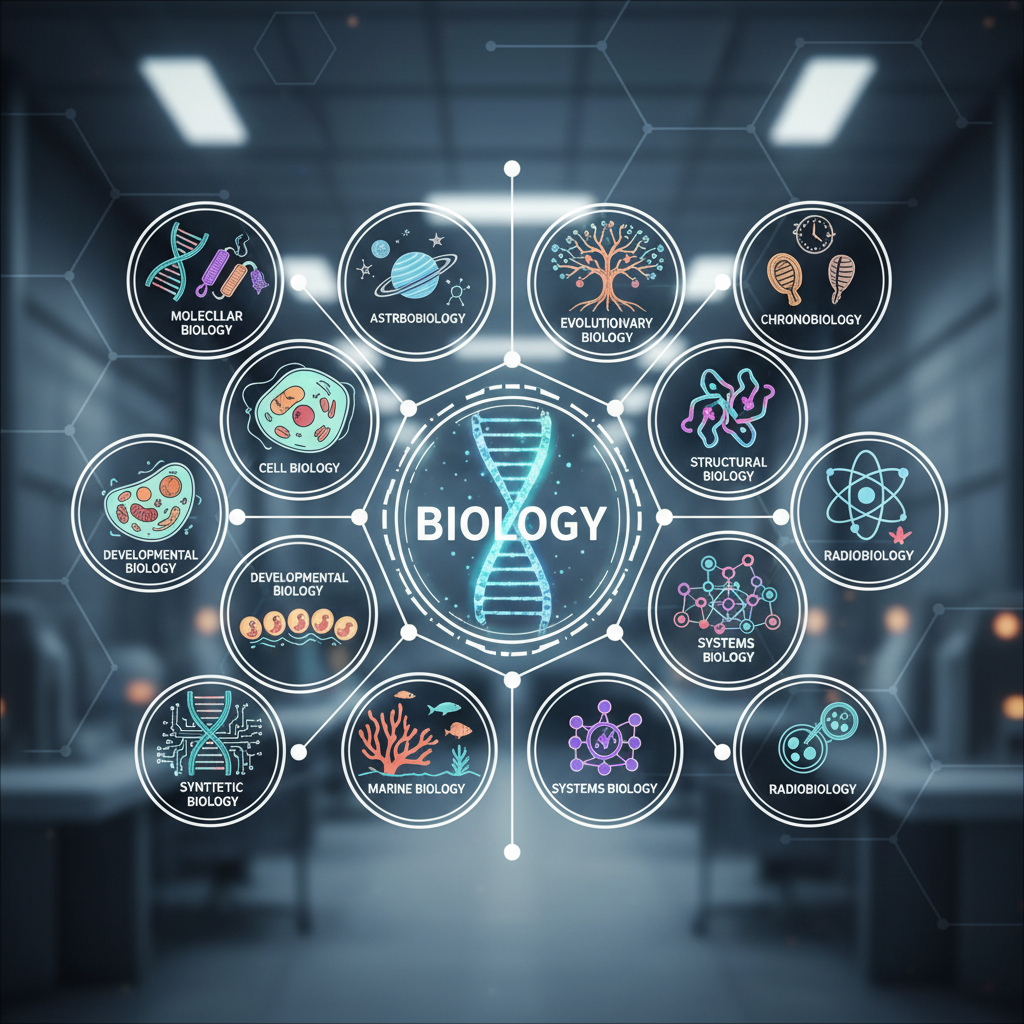
Synthetic biology — the discipline of redesigning organisms to perform new functions — has accelerated dramatically over the past two years, driven by improvements in DNA synthesis, AI-assisted protein design, and the engineering of so-called “genomically recoded organisms.” Recent work has focused on engineering bacteria such as Escherichia coli to incorporate non-canonical amino acids: building blocks that do not exist in nature. By reassigning specific codons in the genetic code, scientists can instruct cells to manufacture proteins with chemical properties no living organism has ever produced before.
The work builds on years of foundational research, including efforts highlighted by the Nature portfolio on synthetic biology, which has tracked the steady expansion of programmable genetic systems. Today’s recoded strains are not just laboratory curiosities; they are increasingly viewed as platforms for producing next-generation antibiotics, targeted cancer therapies, and biodegradable polymers.
Background: From Reading Genes to Rewriting Them
For most of biology’s history, scientists could only read genetic information. The advent of recombinant DNA in the 1970s allowed them to cut and paste genes between species. CRISPR, which arrived in the 2010s, made editing precise and inexpensive. Synthetic biology takes the next step: designing genetic systems from scratch, often using standardized “biological parts” catalogued in repositories such as those maintained by the iGEM Foundation, which has trained tens of thousands of students worldwide in engineering biology.
Expanding the genetic code is among the field’s most ambitious goals. All life on Earth uses the same 20 standard amino acids, encoded by 64 three-letter codons. By freeing up redundant codons and pairing them with engineered transfer RNAs and synthetases, researchers can teach cells to read new “letters” — opening the door to proteins with site-specific modifications useful in drug design, including antibody-drug conjugates that more precisely target tumours.
Why It Matters
The significance extends far beyond the laboratory. Pharmaceutical companies are watching closely because non-canonical amino acids enable more stable biologics and novel mechanisms of action. Materials scientists see potential for self-healing polymers and bio-based replacements for petrochemicals. National security analysts, meanwhile, are paying attention to biosecurity implications: the same tools that allow beneficial engineering could, in principle, be misused.
Government bodies have responded with new oversight frameworks. The U.S. Office of Science and Technology Policy has issued guidance encouraging responsible innovation in engineering biology, while the European Union is updating its regulatory approach to genetically modified organisms to account for synthetic biology’s faster development cycles.
Industry observers point to economic stakes that are difficult to overstate. Reports from McKinsey and the World Economic Forum have estimated that biological manufacturing could account for more than a third of global physical-goods output within two decades — a figure that depends heavily on whether engineered cells can reliably produce novel molecules at scale.
Expert Perspectives
Researchers in the field have long argued that genome recoding represents a paradigm shift. Jason Chin’s group at the MRC Laboratory of Molecular Biology in Cambridge previously demonstrated a fully synthetic E. coli genome compressed to use fewer codons — work widely described as a foundational achievement. Building on such efforts, multiple academic and commercial teams are now racing to commercialize platforms that produce non-natural proteins on industrial scales, with biotech firms reporting partnerships with major pharmaceutical manufacturers.
What to Watch Next
Three trends will define the next phase. First, expect rapid integration of AI-driven protein design tools with recoded cellular chassis, compressing development timelines from years to months. Second, watch for the first regulatory approvals of therapeutics containing non-canonical amino acids, which would validate the commercial pathway. Third, anticipate intensifying debate over biosecurity governance as the technology becomes more accessible. Whether synthetic biology fulfills its promise of a sustainable, programmable bioeconomy will depend on how scientists, regulators, and the public navigate these intertwined opportunities and risks.
For more coverage of breakthroughs across the life sciences and beyond, visit science.wide-ranging.com for related reporting and analysis.